

Disability
Arts & Culture
Disability culture is real, it’s rich, and it’s been here all along. These are some of the people and places making it visible nationally and right here in Pennsylvania. All links go to external organizations and websites.
National
Deaf West Theatre: Los Angeles-based and nationally touring, Deaf West has been making groundbreaking theater in ASL and spoken English since 1991. Their productions have earned Tony Award nominations, drawn Disney collaborations, and featured actors like Troy Kotsur — who went on to win an Academy Award.
Disability Visibility Project: Alice Wong built this platform to create, share, and amplify disability media and culture. You’ll find oral histories, essays, podcast archives, community. She died in November 2025 at 51, a MacArthur Fellow, she died in November 2025 at 51. The archive she left is irreplaceable.
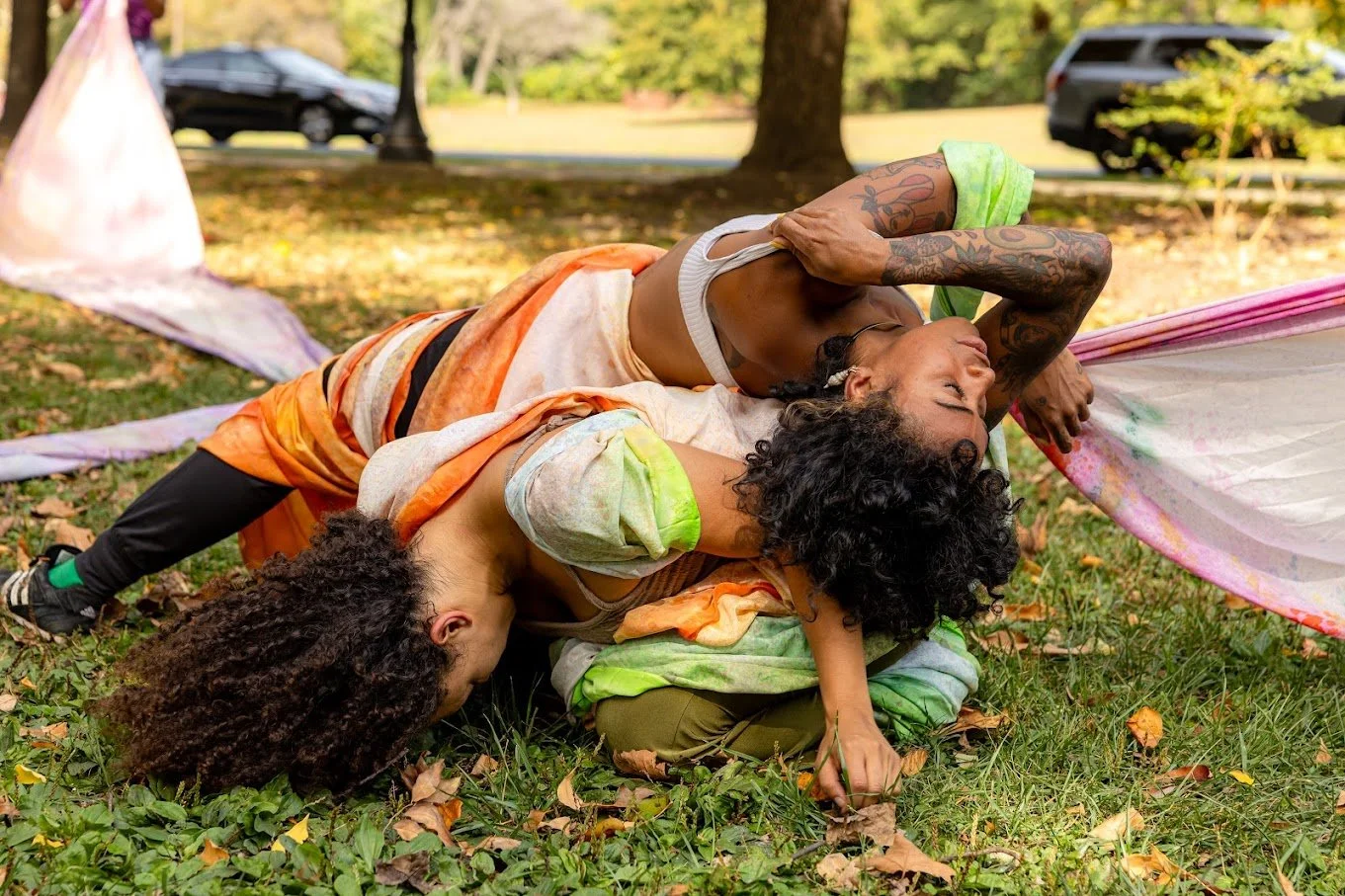
Choreographer and dancer Alice Sheppard founded this internationally recognized ensemble — disabled artists making work at the intersection of race, queerness, disability, and dance. Their performances are technically extraordinary and visually stunning. If you’ve never seen physically integrated dance done at this level, start here.
RAMPD — Recording Artists and Music Professionals with Disabilities
Founded by recording artist Lachi after a conversation with the Recording Academy made clear how little the music industry was doing for disabled professionals. RAMPD has since pushed the Grammys to put ramps on camera, partnered with Live Nation and Netflix, and built a peer-vetted network of working musicians with disabilities. Music made by disabled people has always been here. RAMPD is making sure the industry knows it.
The largest film festival in the world dedicated to films by and about people with disabilities — and Pittsburgh has its own affiliate. Search “ReelAbilities Pittsburgh” to find local screenings, or stream through their platform year-round.
The foundational disability justice performance project. Founded in San Francisco, centering disabled artists of color and queer and trans disabled people, Sins Invalid has shaped how an entire generation thinks about disability, embodiment, and the right to take up space. Their ten principles of disability justice are worth reading whether you’re an artist or not.
Pennsylvania
Acting Without Boundaries — Bryn Mawr
Founded in 2004 by Christine Rouse, an actor with cerebral palsy who wanted the opportunities she never had growing up. AWB runs year-round programs for people with physical disabilities — children, teens, and adults — with professional-level expectations. The artistic director is clear: he doesn’t dumb the material down.
Based at Bryn Mawr Rehab Hospital, Art Ability runs the largest international juried exhibition for artists with disabilities in the United States. The bar is real: a rigorous two-step jury process, a permanent collection of over 500 works, artists from around the globe. The annual fall show is free and open to the public.
Art-Reach doesn’t run a gallery — it does something arguably harder. It works across the Greater Philadelphia arts and cultural sector to make sure disabled and low-income people can actually get in the door, and that organizations know how to welcome them when they do. Their Project 76 initiative is one of the most ambitious accessibility efforts any city has attempted.
Center for Creative Works — Philadelphia and Wynnewood
Part of an international movement of progressive studios, CCW represents neurodivergent artists working at a professional level — building portfolios, exhibiting nationally, selling work under fair commission. A recent Pew-funded exhibition at Haverford College drew national attention. This is contemporary art, full stop.
Pittsburgh’s affiliate of the world’s largest disability film festival brings screenings and community conversation to our city. Check the main ReelAbilities site for current Pittsburgh programming and their streaming platform for year-round access.
A project of Achieva in the Bloomfield neighborhood, VaultArt represents artists with disabilities who have built complex creative practices and are ready for the wider world. Their work has shown in the Pittsburgh Cultural Trust’s Cultural District and at Arts Landing downtown. A hundred percent of sales go directly to the artists.
Wordgathering — Philadelphia (nationally distributed)
This one started right here. In 1998, a poetry workshop formed at Inglis House, a Philadelphia residence for people with physical disabilities. In 2007, workshop members launched Wordgathering, a free, open-access journal of disability poetry and literature. It has since published some of the most important writers in disability poetics — Sheila Black, Stephen Kuusisto, John Lee Clark — and remains one of the only journals in the country dedicated entirely to this work. Cross-disability, rigorous, and Pennsylvania born.